Otla Pages
A library for my poems and stories, with every visual drawn by hand and turned to code.
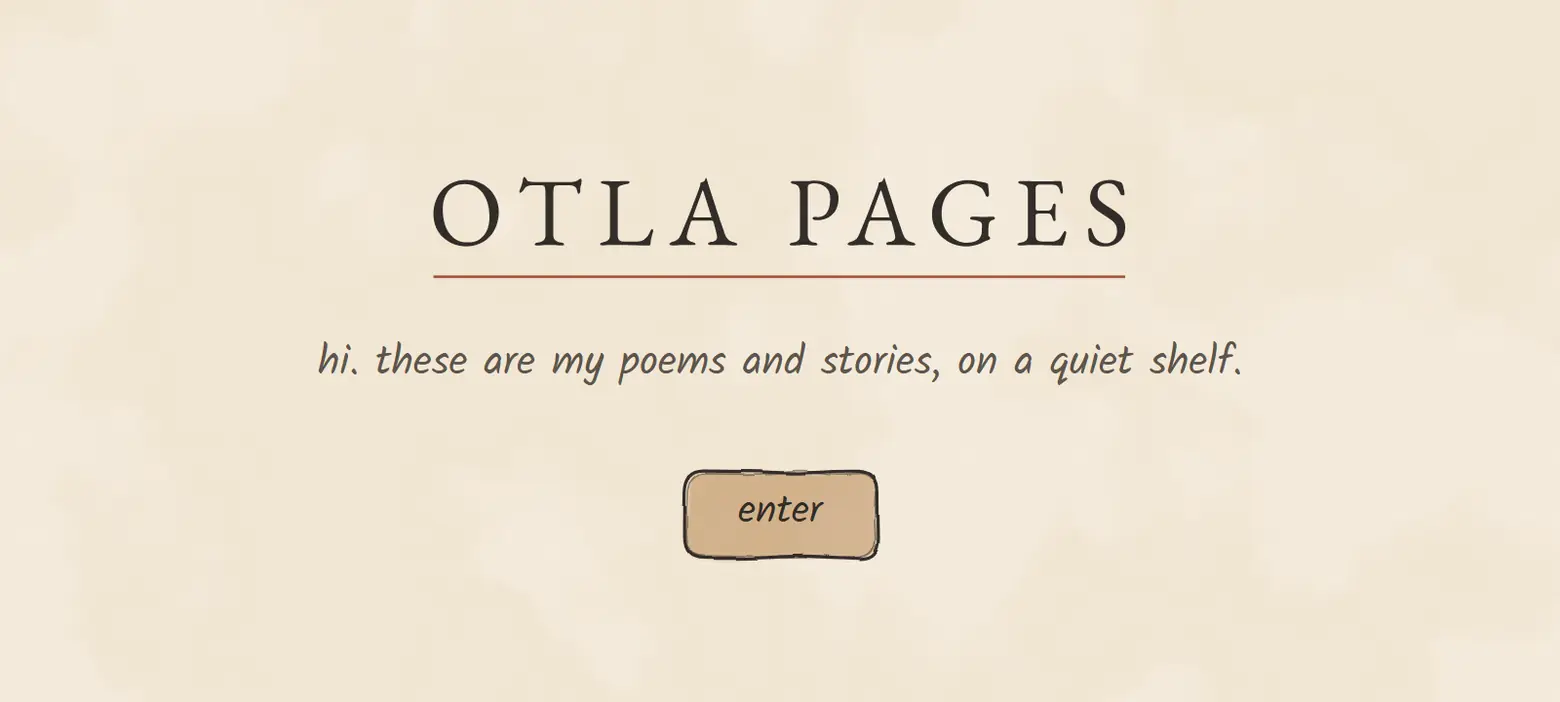

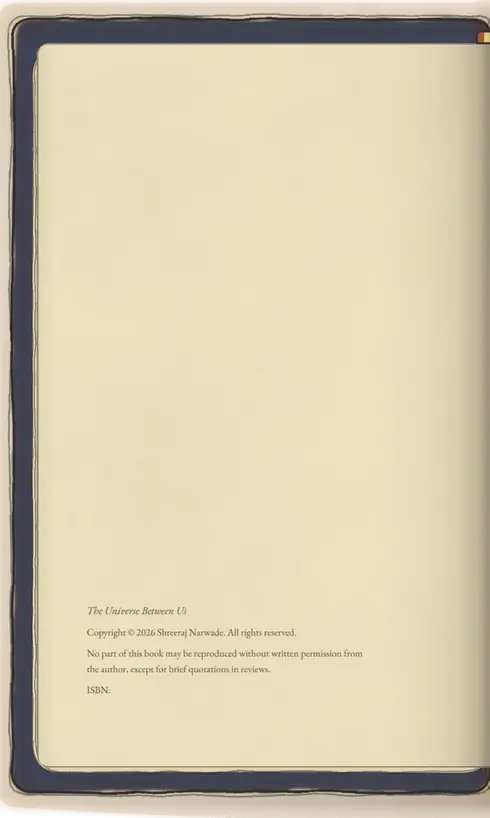
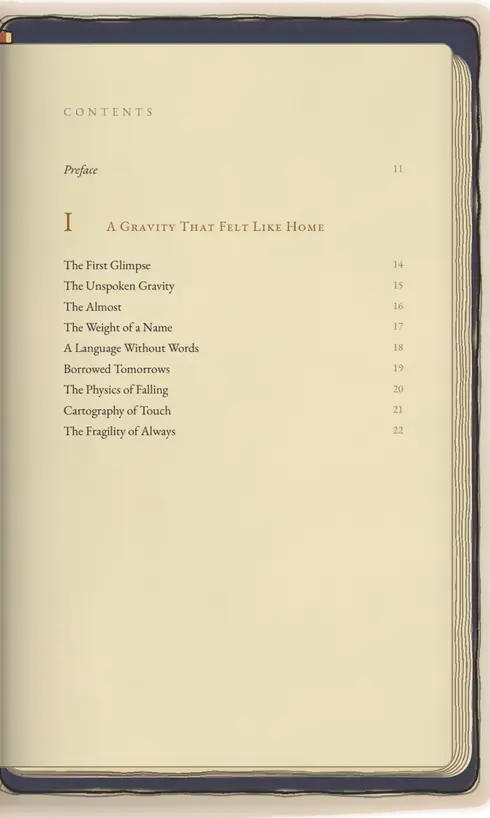
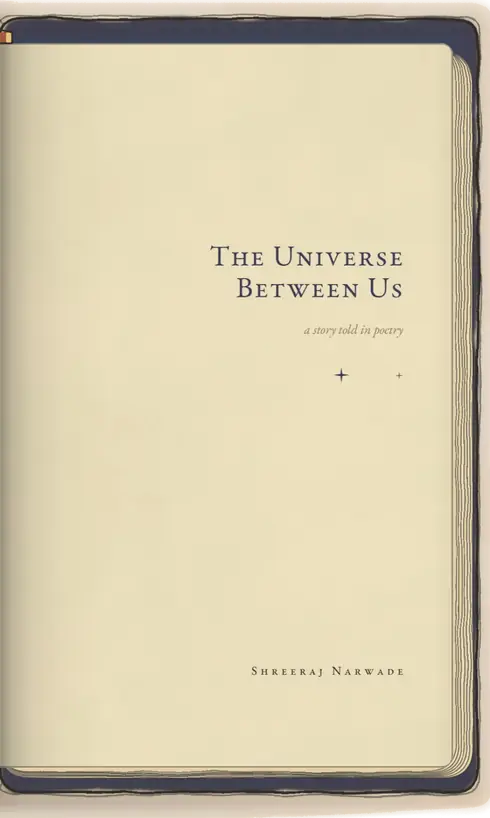
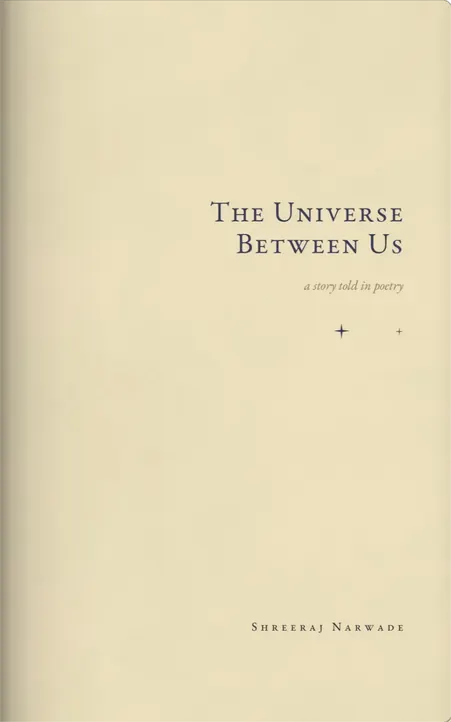
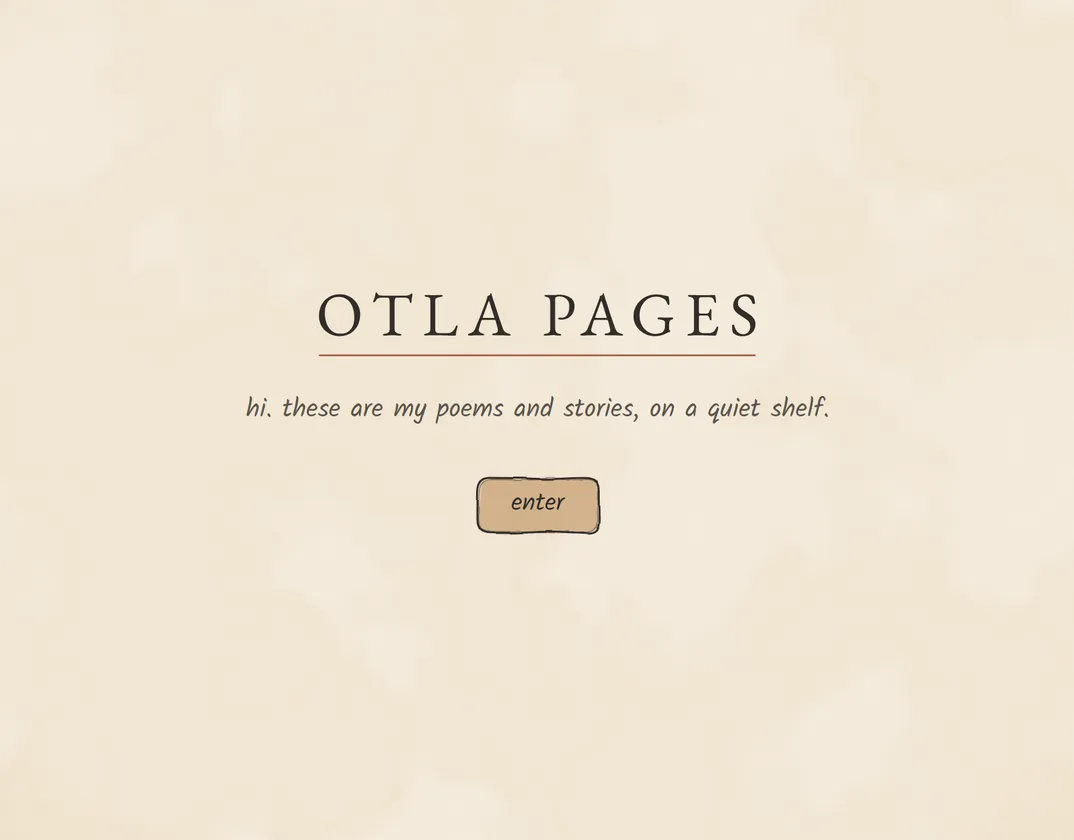
- The doorstep: the name Otla Pages, the line "hi. these are my poems and stories, on a quiet shelf." and an enter button, pressed.
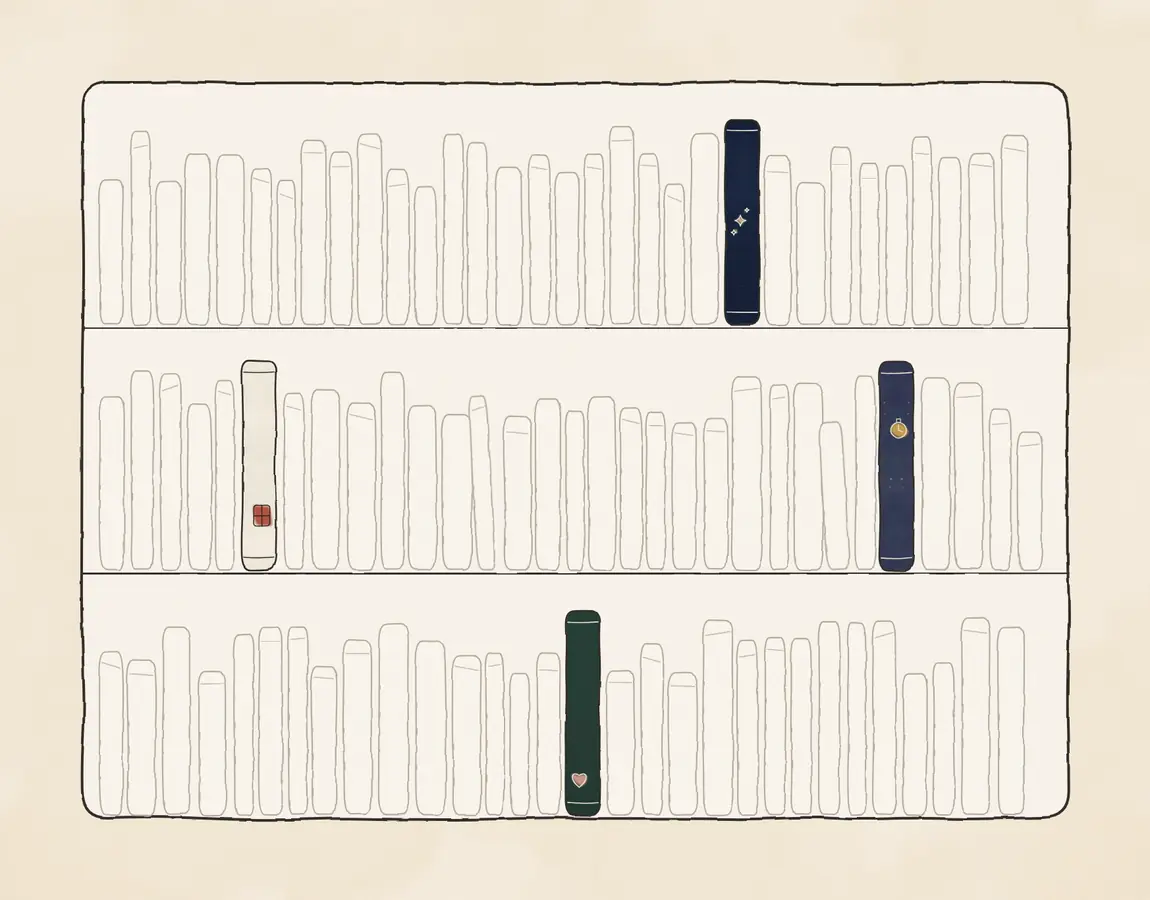
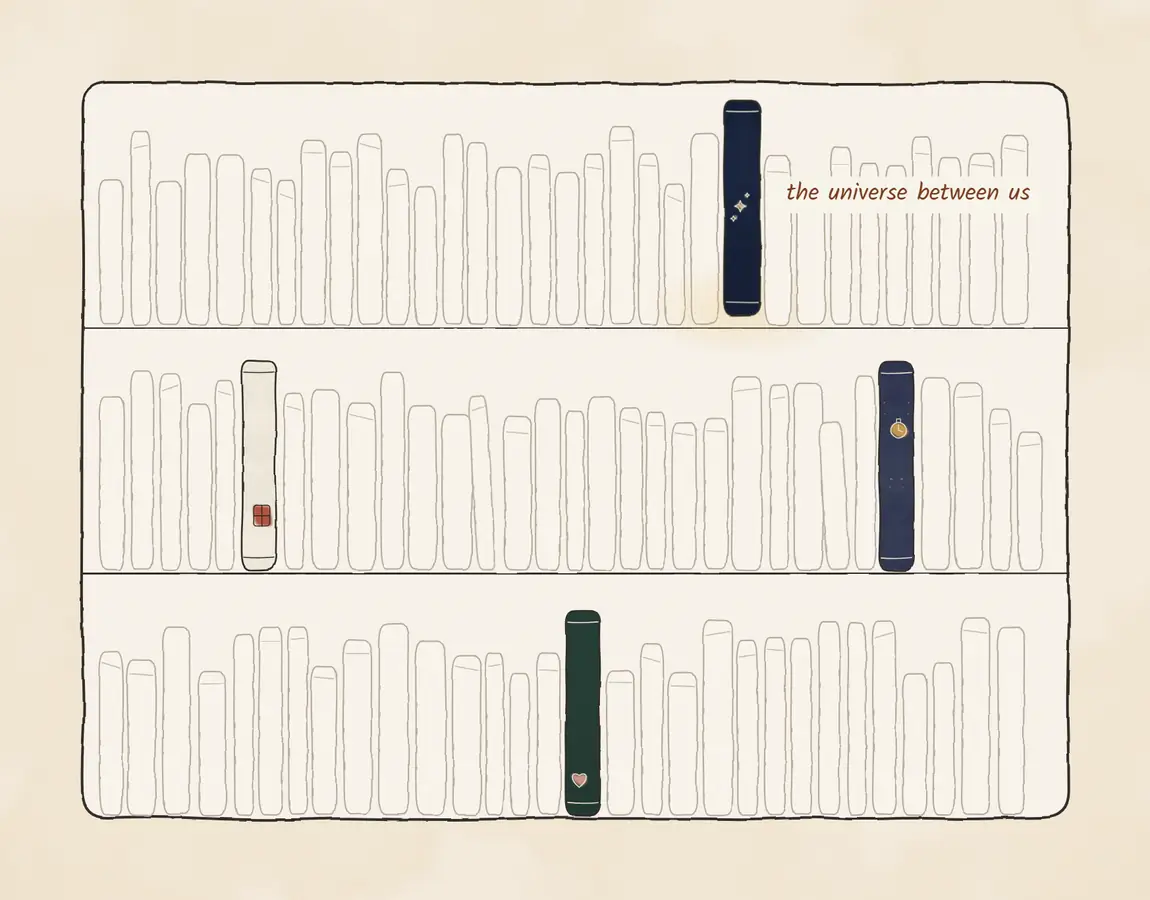
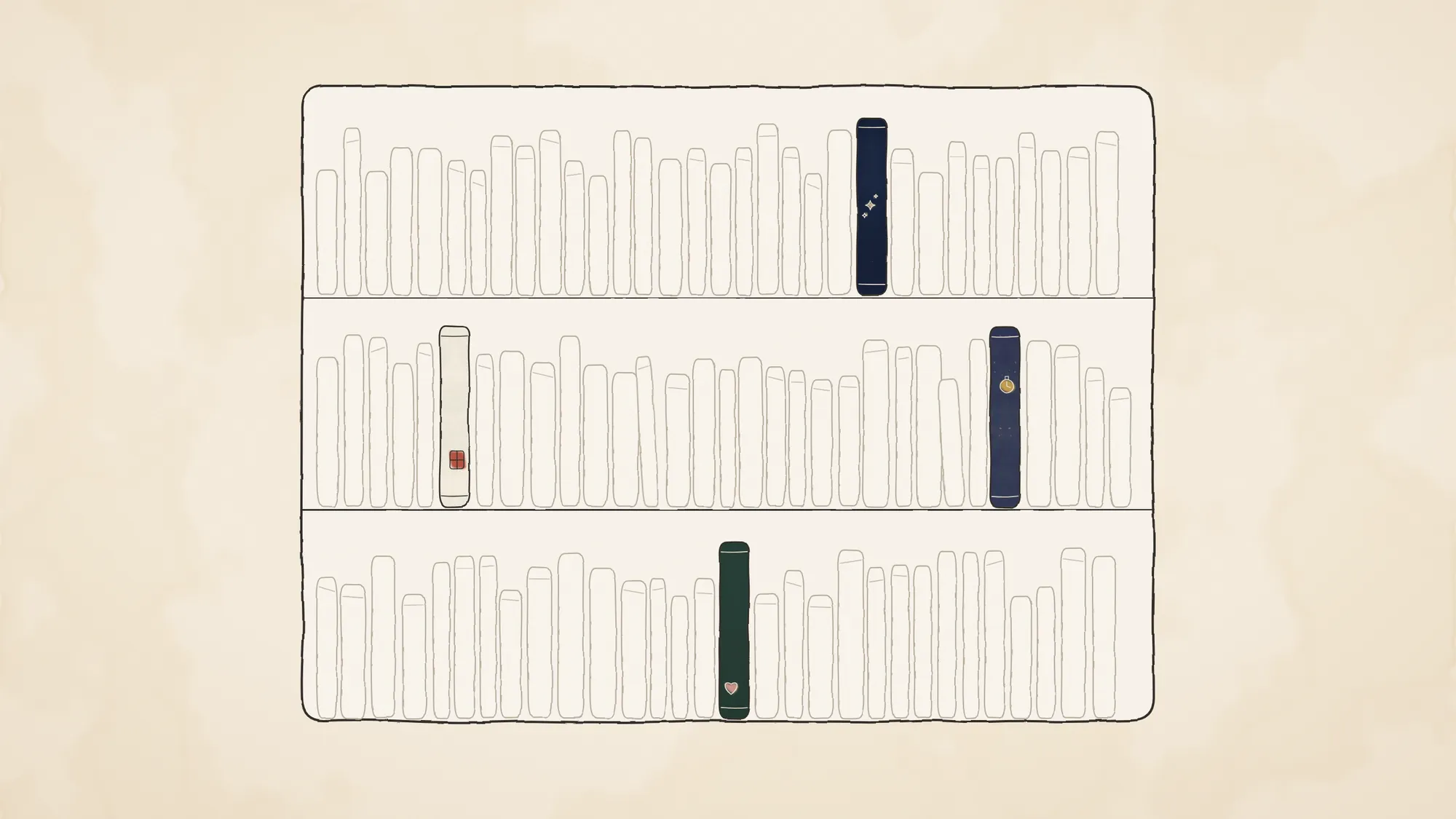
- The poetry shelf, a hand-drawn bookcase where four coloured spines stand out among blank ones. One is picked: The Universe Between Us.
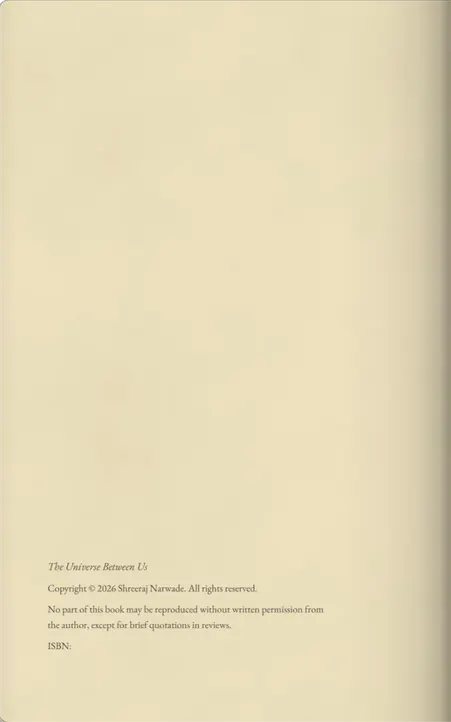
- The book, closed on its cover, opens like a real book: the cover swings over on its spine to the title page, then the title page turns over to the contents.
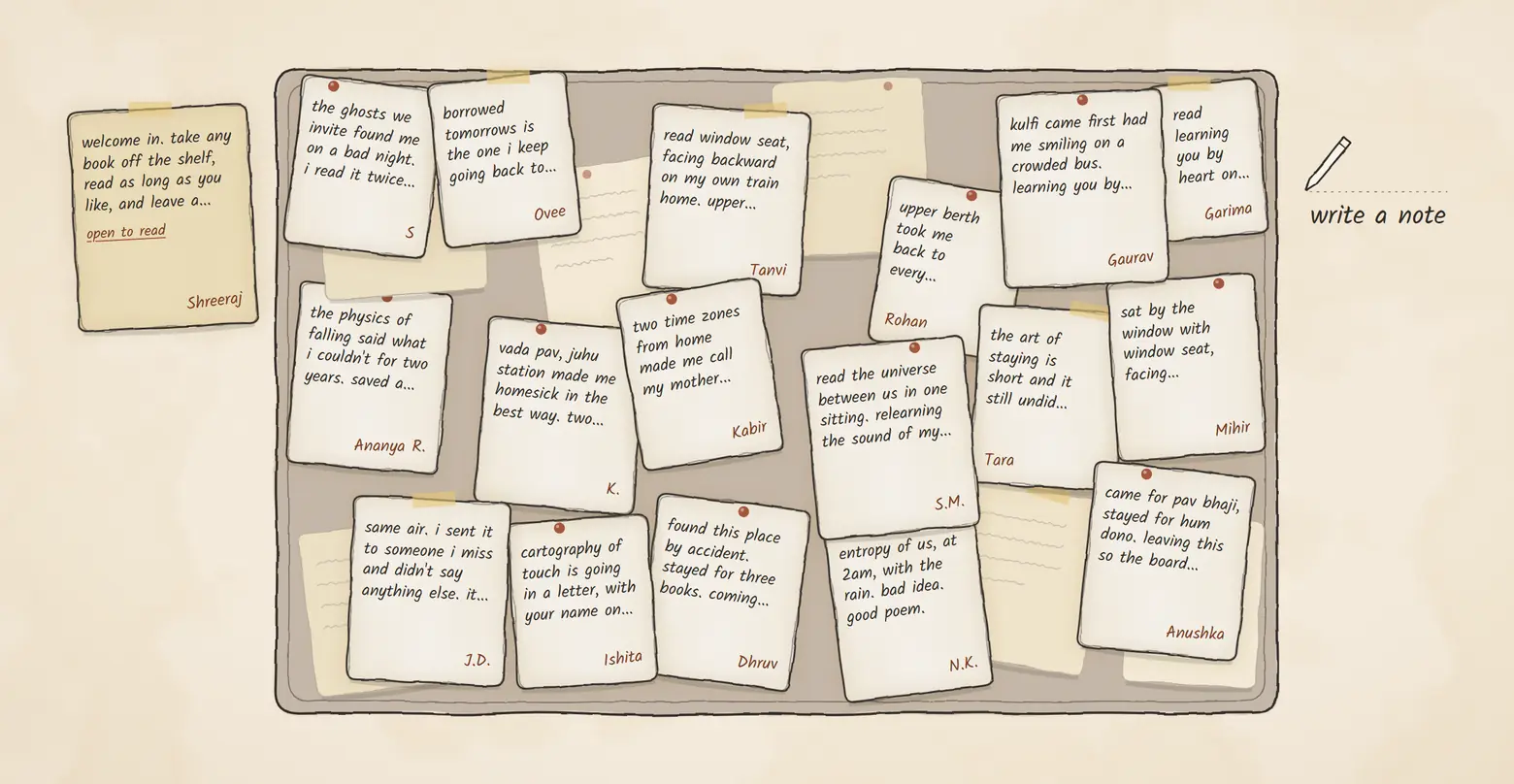
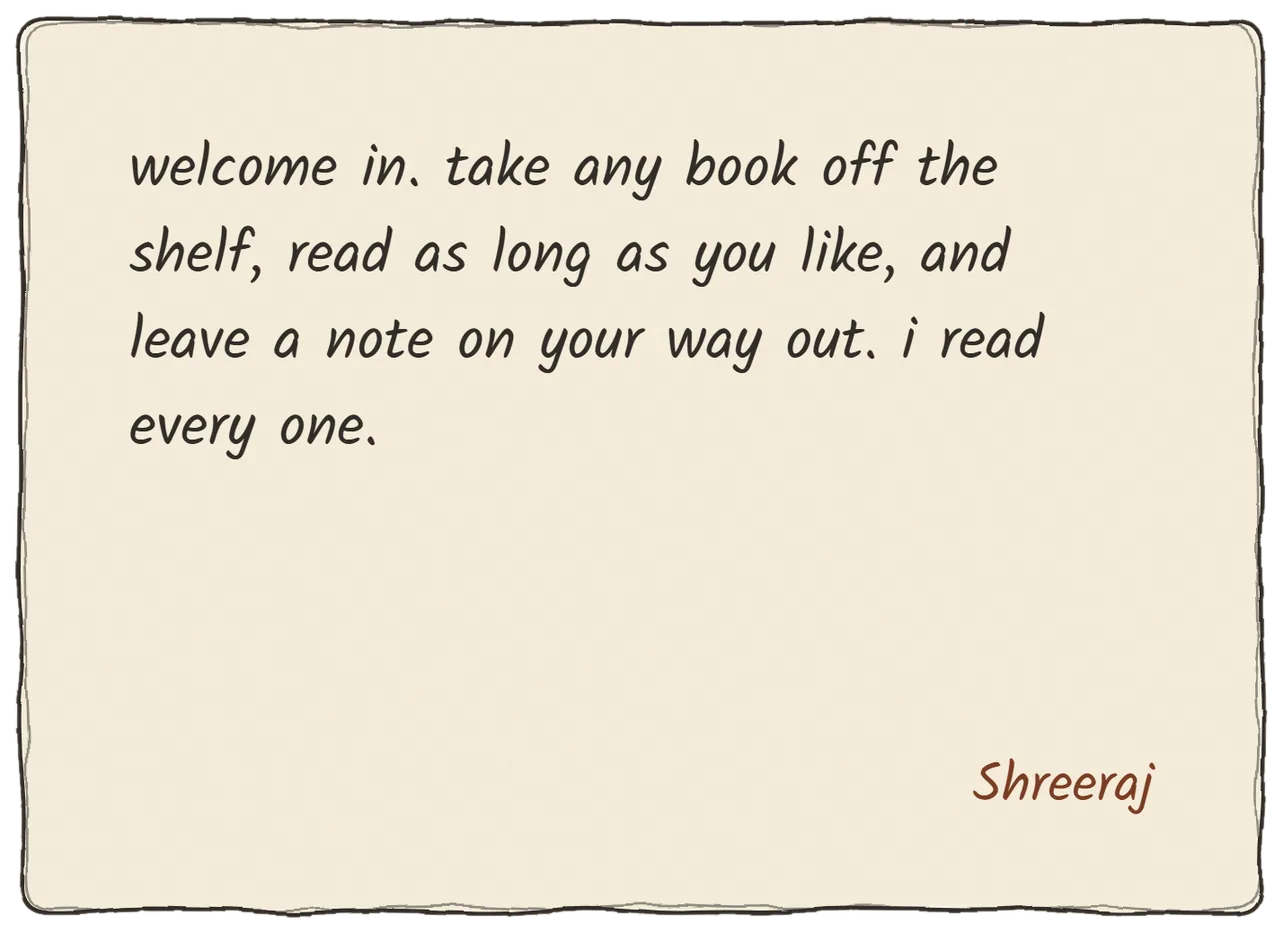
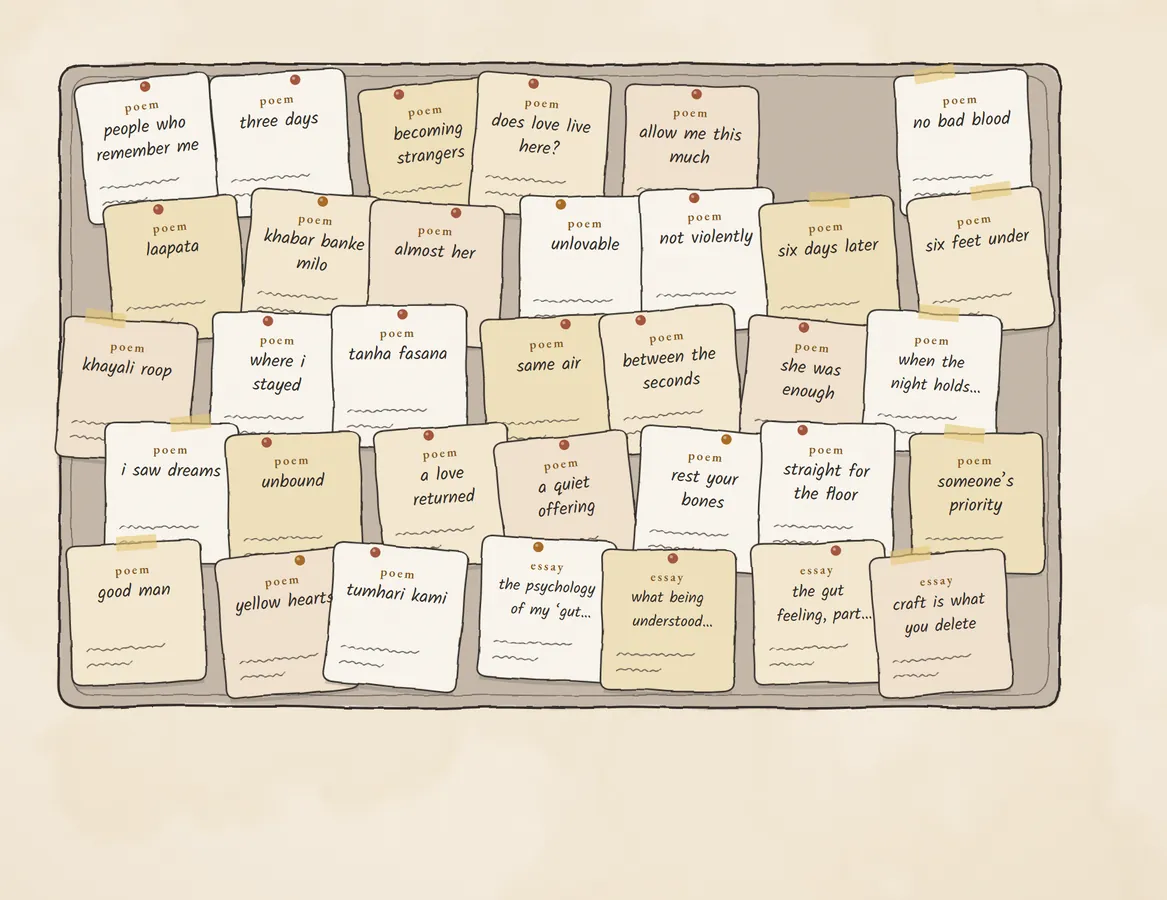
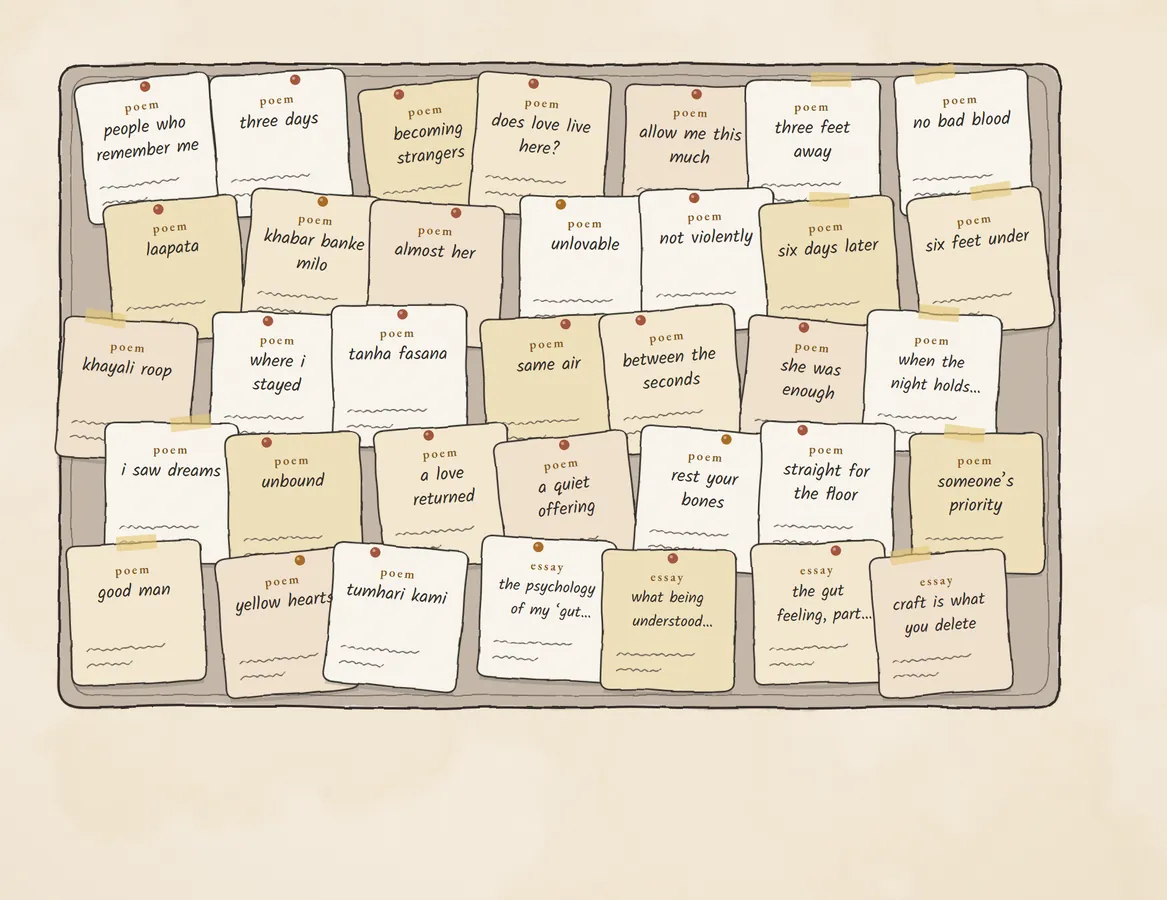
- The guestbook wall, where readers pin notes. Shreeraj's own welcome note opens: "welcome in. take any book off the shelf, read as long as you like, and leave a note on your way out. i read every one." Then it closes back to its pin.
- It ends on the doorstep's line: hi. these are my poems and stories, on a quiet shelf.
Core specifications
- Role
- Designer, illustrator, writer and builder (solo)
- Brief
- Self-initiated, solo
- Platform
- Web, desktop and mobile
Functional specifications
- Status
- Live
- Tools
- Pen and paper for every visual. AI coding tools, GitHub and Vercel built it from my drawings and specs. I wrote all the copy.
In 60 seconds
A live library for four poetry books and 35 pieces of writing, drawn by hand with no stock or AI imagery. Four rooms: a poetry shelf, a story shelf, a writing room and a guestbook, with a link for every book and piece.
- Problem
- My poems lived in flipbook links and a newsletter: readable, but not a place to come back to.
- Decisions
- Drawn by hand, not generated. Rooms, not a feed. A reader that respects the reader.
A personal project: no research numbers here, only the craft and the decisions behind it.
01
Problem
My poems lived in flipbook links and a newsletter. They were readable, but nothing about them felt like a place someone could come back to.
Blog templates make every piece look the same, and stock or generated images would have made the work look like everyone else’s.
How might a writing archive feel like a quiet room you walk into, not a feed you scroll past?
02
Discovery
I started from the otla, the raised doorstep seat of a Maharashtrian house, where people sit between the street and home. A doorstep is where you pause before going in. That became the structure: you sit at the door, then walk into rooms.
03
Decisions
D1
Drawn by hand, not generated
- Options
- Stock illustration, AI imagery, or drawing every visual myself.
- Chose
- Every visual drawn by hand and translated into code, so the site looks the way the poems sound: personal and a little uneven.
- Cost
- Time: every new room needs new drawings.
D2
Rooms, not a feed
- Options
- A blog list, a grid of cards, or rooms you walk through.
- Chose
- Four rooms: a poetry shelf, a story shelf, a writing room and a guestbook. Every book and piece has its own shareable link, so a reader can send one poem, not the whole site.
- Cost
- Discovery: a reader has to wander a little to find things.
D3
A reader that respects the reader
- Options
- Embed the existing flipbooks, or build a reader.
- Chose
- A custom reader for the four books with keyboard page turns, a plain-text edition of the whole library and a skip link.
- Cost
- Two versions of every book to keep in step.
04
Final design
The doorstep: the name Otla Pages, one handwritten line, "hi. these are my poems and stories, on a quiet shelf.", and an enter button. Enter is pressed and the doorstep gives way to the poetry shelf, a hand-drawn bookcase where four coloured spines stand out among blank ones.
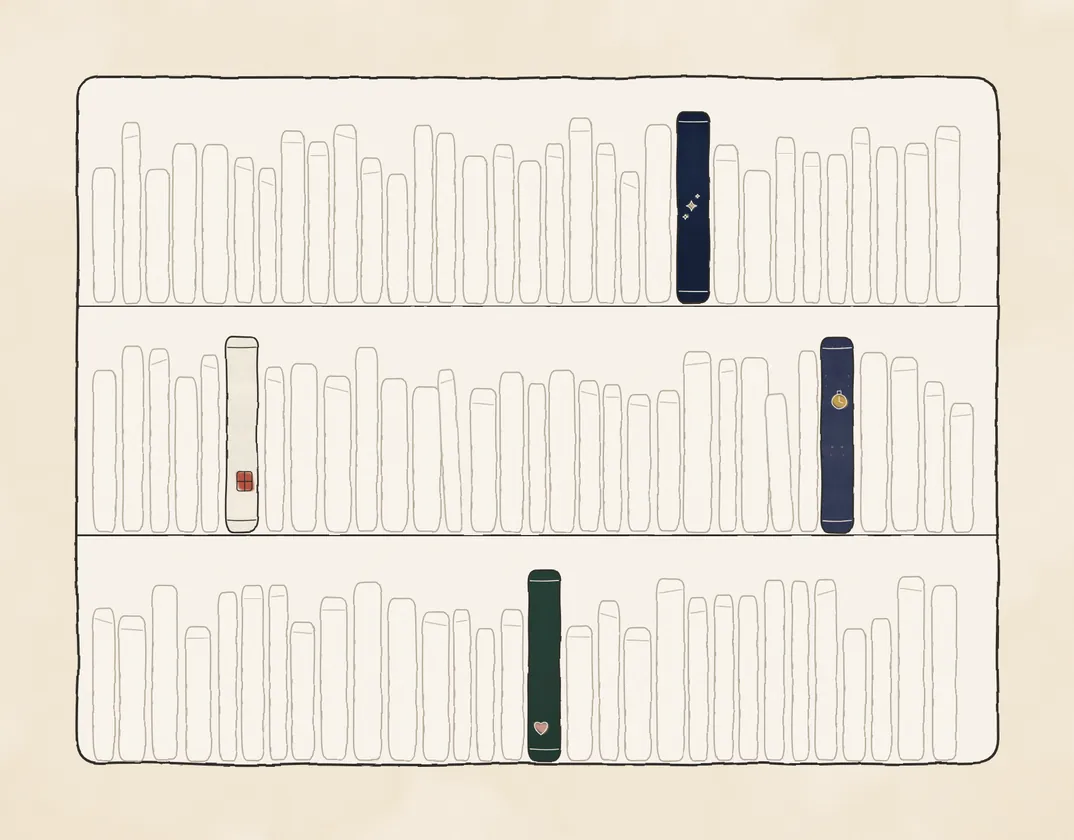
The poetry shelf with a small clay diya in the corner, lit. One tap and the flame goes out with a wisp of smoke: the page sounds are off. Another tap lights it again.
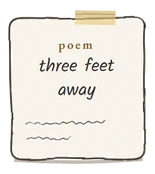
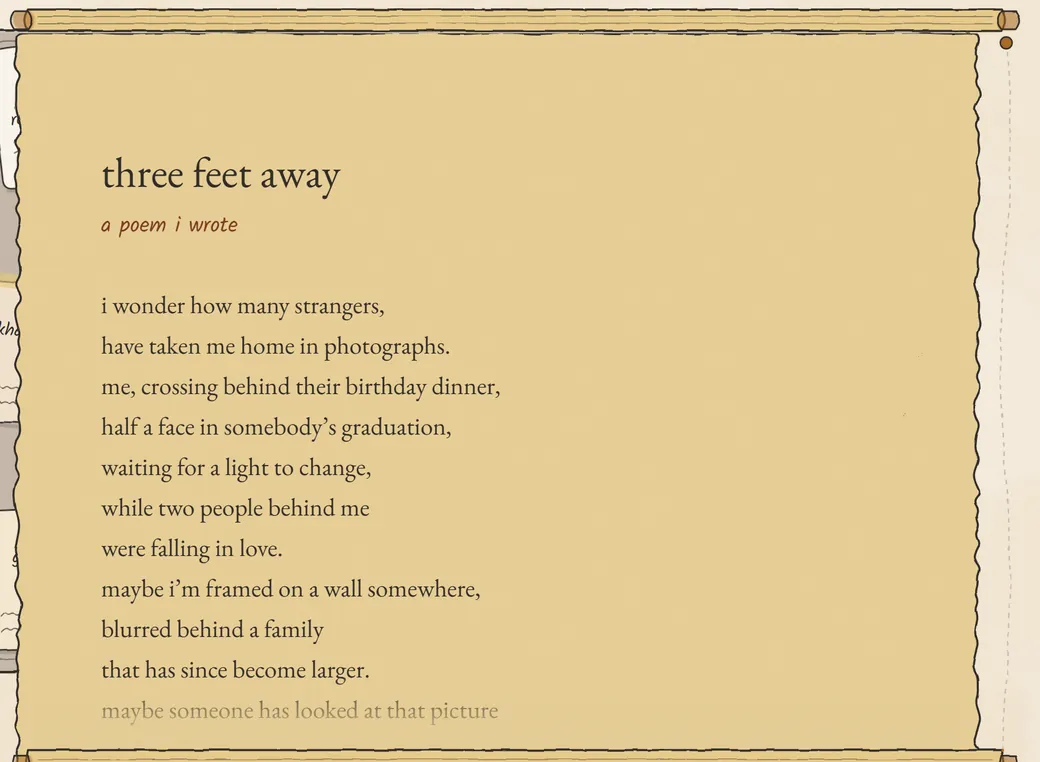
The writing room, a board of 35 hand-drawn notes, one per poem or essay. The note "three feet away" is picked: it lifts off the board, and the poem opens over the room as a scroll that unrolls from its top rod. It rolls back up and the note returns to its place.

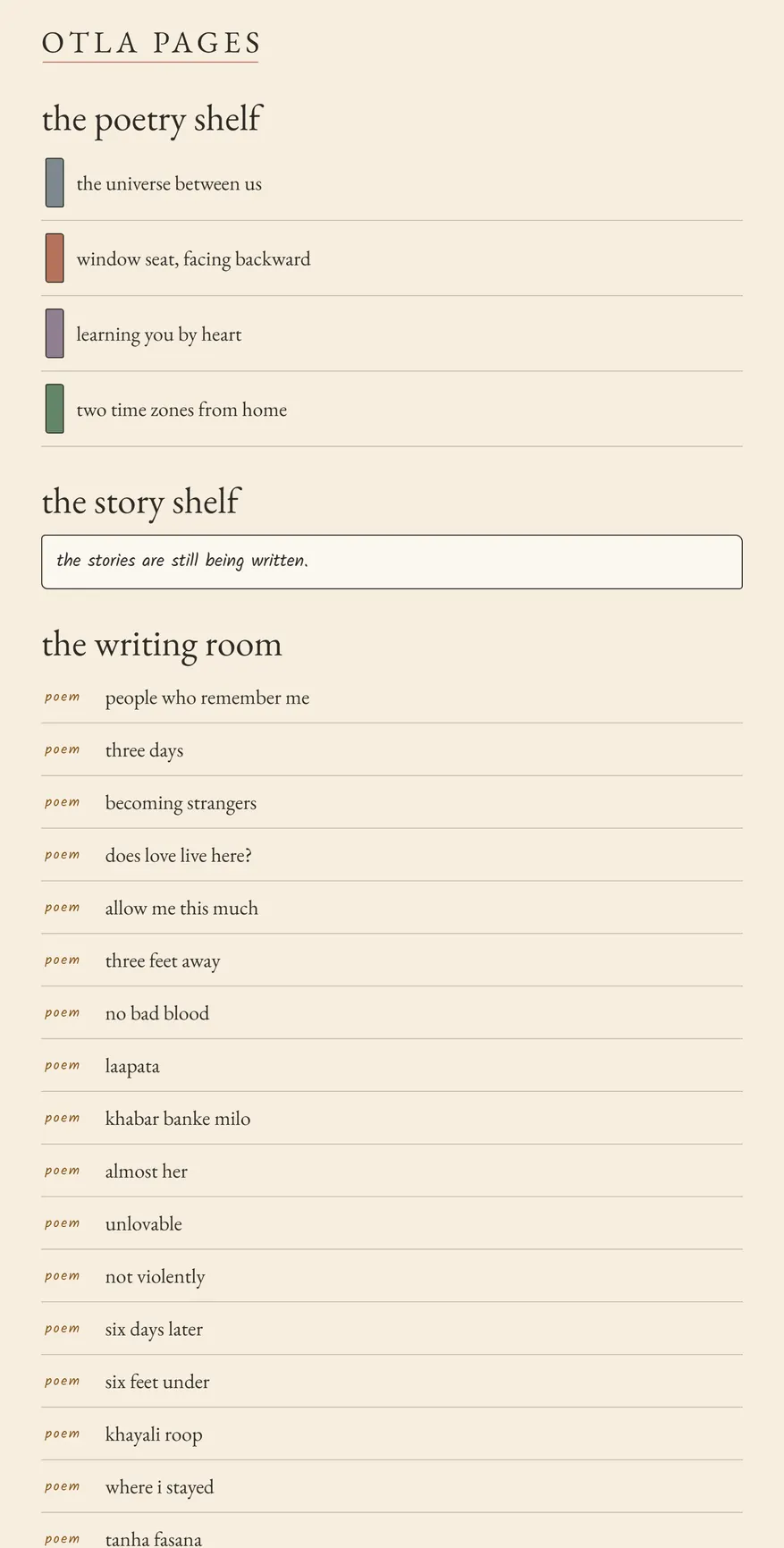
The poetry shelf gives way to the plain-text edition: the same library as a simple list, the poetry shelf, the story shelf and every piece in the writing room, for screen readers and slow connections. The list scrolls, then the shelf comes back.
05
Try it
Take Learning You by Heart off the shelf and turn its pages the way the site does: click or tap a page, use the arrow keys, or drag a corner across.
Learning You by Heart, a book of 127 poems on the Otla Pages poetry shelf. Open it and turn its pages with the arrow keys, a click or a tap, or read its contents as plain text.

Learning You by Heart
127 poems by Shreeraj Narwade. The poems are set as pages in the book; choose one to open the book there.
06
Shipped and scrapped
Shipped
- Four rooms: poetry shelf, story shelf, writing room and guestbook
- A custom reader with keyboard page turns
- A plain-text edition of the whole library, and a skip link
- A shareable link for every book and piece
- Music and page sounds, both off with one tap
Scrapped or deferred
- Stories: the shelf is built, the stories are still being written
07
What I learned
What I learned
Drawing every visual by hand slowed me down in the right places. Each room had to earn its drawing, which kept the library small, quiet and mine.
Next. Fill the story shelf, and keep adding to the writing room.